Cultural Perspective of the Moon in East Africa
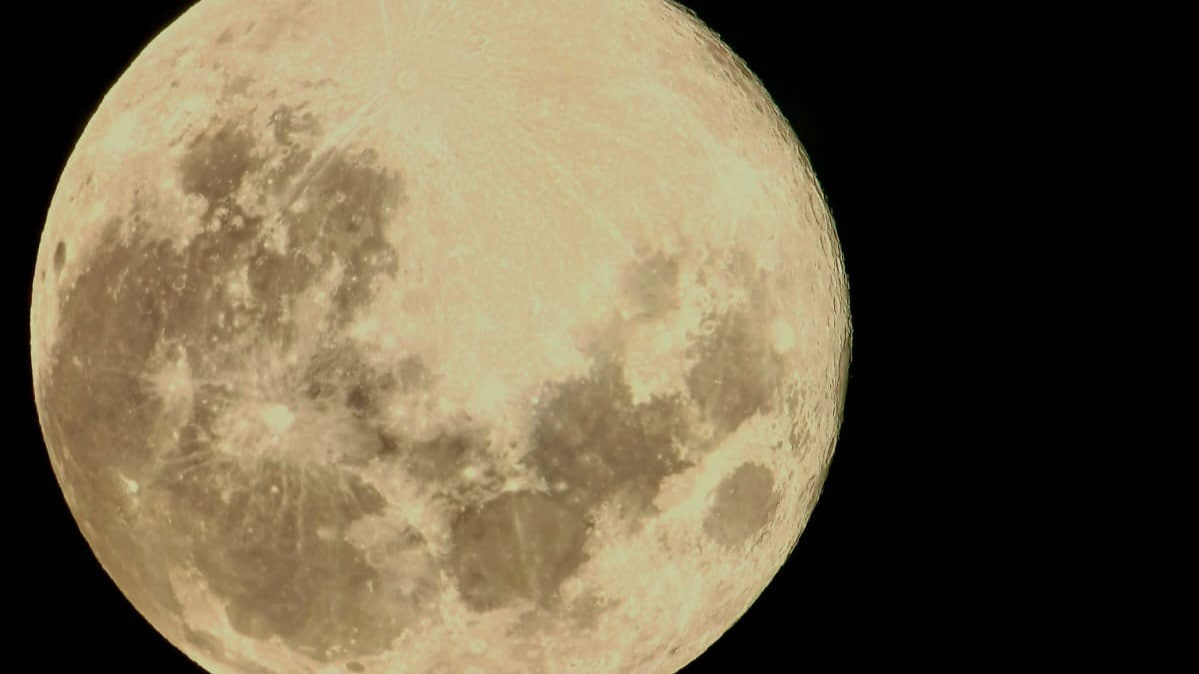
For the last four months, I have found myself drawn to the moon through a lens. The details of the floating rock appear much clearer; something is fascinating about gazing at the moon. The moon has dominated my phone gallery and I don’t think I will get rid of them anytime soon. As I kept looking up, my curiosity began to stretch beyond the image on my screen. I started to wonder, what did my ancestors see when they looked up at the moon? For many communities, the moon was not only a passive object in the sky but a guide, a deity, a storyteller. We will go through how some communities around East Africa thought and believed about the moon.
Lunar Eclipse
On the 7th of September 2025, most people had the privilege of looking at the lunar eclipse and for some, it was their first time experiencing this celestial event. The Samburu, who call it Lapa, regard it as a fatherly presence, while the stars represent the children and wives. When a lunar eclipse occurred, they believed that the father had fallen asleep. The women would chant songs in an effort to wake him until the moon returned to its original color. The Samburu have a unique musical rhythm using just their breath and voice alone, which must have been alluring enough to wake their father.
The Maasai, who share cultural similarities with the Samburu, call the moon “Olapa.” During an eclipse, they believed that the moon had died, and like the Samburu, they responded by chanting songs, waiting until the moon regained its light and life. During this time, both communities would put a halt to any activities to prevent any bad omen from happening.
For the Bukusu in Western Kenya, a red moon signalled danger. A lunar eclipse was an impending threat because the moon was swallowed by a monster known as Kamkuywa. To chase away the monster, the Bukusu would go outside to beat drums and bang objects. Pregnant women were forbidden from going outside, as the eclipse was believed to cause a bad omen for the unborn child.
The Kikuyu community regarded the lunar eclipse as a warning sign from God, and the elders would gather under the mugumo tree, a sacred tree to the Kikuyu, to offer sacrifices and pray for protection. The women and children would then sing hymns and call for restoration and peace.
CALENDAR
Borana
The Borana people, a pastoralist community primarily found in Southern Ethiopia and Northern Kenya, have developed a sophisticated system of timekeeping.
Unlike the current Gregorian calendar, the Borana calendar is lunar-based, with months defined by the phases of the moon. Each lunar month carries a name with particular ecological or social events.

The first month in this calendar was Bitootessa, which is when Triangulum is in conjunction with the new moon. The second month, Camsa, is when the new moon is in conjunction with Pleiades, or Busan in Borana, and the pattern continues after every 29 days. There were no weeks in the Borana calendar, but each day has its own name for every month.

The calendar runs out of day names by a few days because the names of the first days also finish off the last days of the month.
Namorotanga in Northern Kenya are pillars that are said to align with this Borana calendar. There are 25 alignments with seven celestial positions in the sky that match the named Borana stars. The Turkana people who currently inhabit the region, however, hold a different interpretation of the pillars. According to the legend, a group of men were dancing the Edonga, a traditional Turkana dance, when a woman joined them. Her manner of dress displeased the men; as she danced, they mocked her despite being warned not to laugh. The men were then turned to stone.
Kalenjin
The Kalenjin were guided by the moon and came up with a calendar that helped them keep time, with each day reflecting their daily lives and their narratives.

Communal Activities
The Kikuyu, who call it Mweri, believed that the moon was created by Ngai. The moon was not worshipped, but still had spiritual authority. When the new moon appeared, it symbolised a renewal, commonly marking the opening of planting periods. The waxing moon was associated with growth and increase and was considered the most favourable phase for planting staple food crops, believing that crops sown under a growing moon would develop stronger stems and produce better yields. In contrast, the waning moon was associated with release, with declining activities being encouraged, such as harvesting or cleansing rituals being performed.
The same goes for the Luo, who call the moon Dwee and consider the moon to be a female divine or deity. They believe that Nyasae manifests himself as well as his greatness through the moon. When the new moon appears for the first time, people are expected to spit towards it to ask for God’s blessings. During the full moon, fishing activities dominated the lake since the moonlight guided them through the waters. Other communities, such as the Kamba, thought it best to travel at night under the full moon, as it lights up their trading paths to the coast
Art
The moon has always been a beauty in the sky, a fascination to our eyes, and it’s not a surprise that some communities conveyed this beauty in their art. The Luba, who are located in the Democratic Republic of Congo, considered the mask a vessel of memory and spiritual presence embedded in the cosmos.

The Luba Masks were intertwined with the political and spiritual life of the Luba people, specifically the Bambudye, who were responsible for preserving royal genealogies and ancestral laws. The mask was a channel for the presence of the ancestors. The inward-looking expression, characterised by the downcast eyes and symmetrical carvings, was a symbol of the ancestor’s soft power that the ancestors held.
However, the trajectory of the Luba mask was violently disrupted during the colonial period. King Leopold II’s regime, which is known for scaring the Congolese people, took over the Luba region and ostracised the Luba people and their culture. Missionaries denounced Luba practices as pagan fetishes, and colonial officers forcefully collected cultural pieces—shipped overseas and stripped of their meaning, replaced with the label of “primitive art” in Western museums while still displaying them as timeless aesthetic objects.
The moon has never been distant to East Africans and has always been interwoven into their culture, art, or practices. Just because it was indigenous knowledge in the past does not mean it cannot be applied in our modern lives. In fact, studying their past lives and just observing as a spectacle plays into the same narrative of viewing African practices as primitive and outdated. So, I urge everyone, get off the phone, look up at the sky, and gaze at the moon. Ask questions, and come up with your own narratives. Talk to your friends and family about the moon; ask them what they know about the moon. I don’t want this article to just be another read on your phone; I want this to be a challenge to notice the sky and learn from the sky by just looking up. Hopefully, I will see you for part two.

- Cultural Perspective of the Moon in East Africa - January 8, 2026
- Reframing Cultural Astronomy in Africa - September 25, 2025
- Enigmatic Explosions Redefining Our Understanding of Cosmic Phenomena - October 14, 2024