Your Ultimate Guide to the June Sky Events
Summer is finally here, bringing warmer nights, outdoor campfires, and the perfect excuse to stay up late. If you love looking at the stars, June 2026 is serving up a spectacular cosmic menu. From a rare planetary meet-up to the glowing core of our galaxy, here are the celestial highlights you cannot miss this month.
Venus and Jupiter Meet (June 8–9)
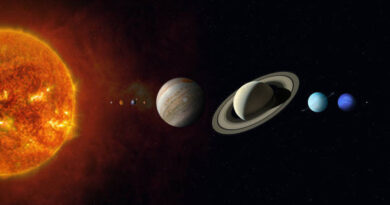
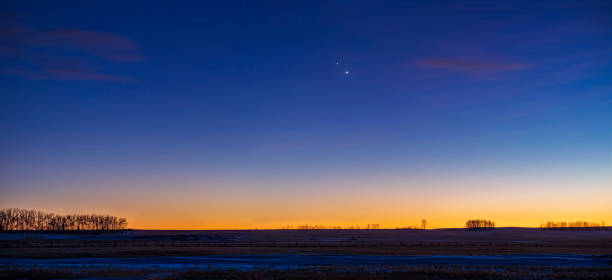
Mark your calendars for the most beautiful planetary alignment of the year. Venus and Jupiter, the two brightest planets in our night sky, will pass incredibly close to one another.
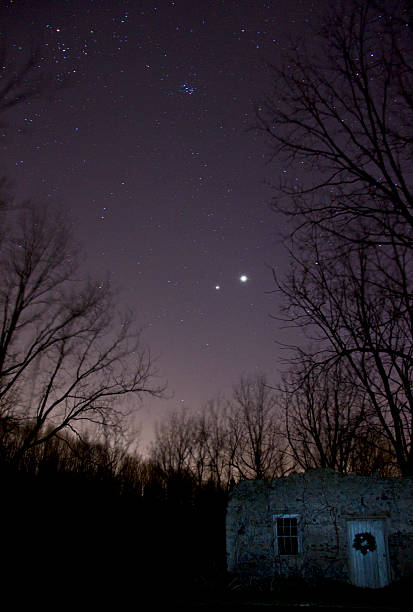
How to Watch: Step outside shortly after sunset and look toward the southwest horizon. You won’t need a telescope to see this duo shine. They will be visible to the naked eye until they set around 11:00 PM.
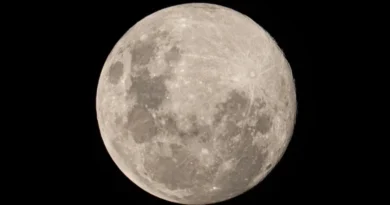
The Full Strawberry Moon (June 10)
Just a day after the big planetary conjunction, the sky welcomes the Full Strawberry Moon. Don’t expect it to look like a giant red fruit, though! This traditional Algonquin name simply marks the time of year when wild strawberries ripen for harvest.

A massive, golden orb low in the sky. Because of a visual trick called the moon illusion, it will look exceptionally large right as it climbs over the horizon.
How to Watch: Look toward the southeast right around sunset.
The Summer Solstice & Ghostly Clouds (June 21)
June 21 marks the longest day of the year and the official start of summer in the Northern Hemisphere. While long days mean less darkness for stargazing, they bring a very special twilight phenomenon: Noctilucent Clouds.
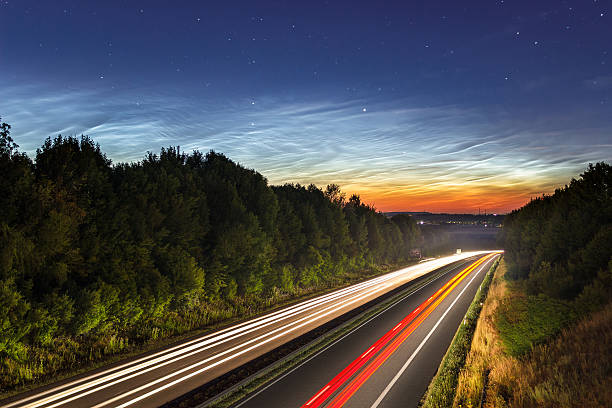
These are rare, electric-blue “night-shining” clouds made of ice crystals clinging to space dust. They sit so high in the atmosphere that they catch the sunlight long after the ground below is dark.
How to Watch: Look toward the northwestern horizon during deep twilight on clear nights.
June Bootids Meteor Shower (June 27)
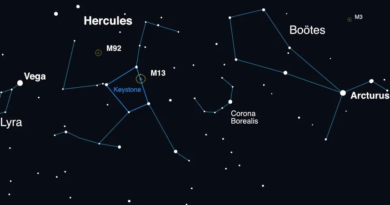
Most years, the Bootids shower is pretty quiet, offering only a handful of shooting stars. However, this shower is famous for sudden, massive outbursts. The meteors are fast-moving and seem to shoot out from the constellation Boötes.
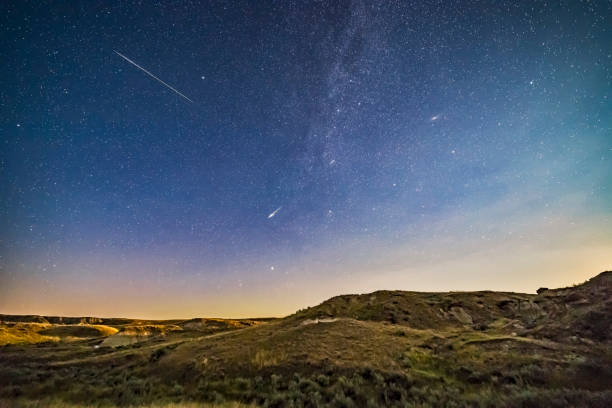
How to Watch: The best time is after midnight once the moon has set. Find a dark spot away from city lights, lie flat on your back, and look straight up.
Bonus: Milky Way Core Season Begins
June kicks off the absolute best time of the year to view the center of our home galaxy. If you can get away from city light pollution, look toward the south. You will see the thick, hazy, cloud-like band of the Milky Way stretching across the sky, packed with billions of distant suns.
Stargazing Tips for June
Always check the forecast before heading out. Step out into the darkness and turn off your phone for a few minutes to let your natural night vision kick in, and use a free sky map app (like StarWalk) to easily locate Venus, Jupiter, and the constellations in real time.
Happy stargazing!
Image Credit: Getty Images

- Your Ultimate Guide to the June Sky Events - May 23, 2026
- Ripples in spacetime and how LIGO proved Einstein right - May 20, 2026
- Hubble Observes A Rare Transitional Galaxy - May 19, 2026